Why It Matters: The Paradox of Nearshoring
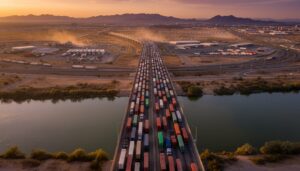
For global strategy executives, the narrative of the 2020s has been defined by supply chain resilience. The shift away from reliance on a single Asian manufacturing hub has driven a massive nearshoring boom in North America. Mexico has emerged as the primary beneficiary, overtaking China as the top exporter to the United States. However, this “gold rush” comes with a severe, often underestimated cost: physical security.
Recent data from Overhaul’s 2025 report highlights a chilling reality that every logistics leader must confront. 82% of cargo thefts in Mexico now involve violence, a statistic that stands in stark contrast to supply chain crimes in Europe or the United States.
While companies like HENN Americas and Filter King are aggressively expanding their manufacturing footprints south of the Rio Grande to reduce lead times, the logistics arteries connecting these plants to the US market are under siege. For innovation leaders, the challenge is no longer just about optimizing just-in-time (JIT) delivery; it is about ensuring the physical survival of the cargo—and the drivers—moving through the Borderlands.
As discussed in Mexico Nearshoring: 3 Ways to Evaluate Regional Labor ROI, understanding the regional nuances of Mexico is critical. Today, we analyze the specific threat of violent cargo theft and how global leaders are using technology and strategy to mitigate it.
Global Trend: The shifting Landscape of Supply Chain Risk
To understand the severity of the situation in Mexico, one must view it through a global lens. Supply chain risk is not disappearing; it is mutating based on geography.
1. The Global Divergence in Cargo Theft
In the United States, the post-pandemic era has seen a rise in “strategic theft”—identity theft, fictitious pickups, and double-brokering fraud. These are white-collar crimes committed digitally. In Europe, cargo crime often involves “curtain slashing” or soft theft from rest areas, primarily targeting high-value electronics or luxury goods with minimal confrontation.
Mexico presents a fundamentally different risk profile. The Overhaul report indicates that 64.1% of incidents involve the armed interception of trucks in motion. This is not stealth; it is brute force.
Table 1: Comparative Supply Chain Risks by Region (2025 Outlook)
| Feature | United States | Europe | Mexico |
|---|---|---|---|
| Primary MO | Strategic Fraud / Identity Theft | Pilferage / Curtain Slashing | Armed Interception |
| Violence Level | Low (<5%) | Low-Medium | Critical (82%) |
| Top Targets | Electronics, Household Goods | Luxury Goods, Tobacco | Food & Drink (31%), Auto Parts |
| Hotspots | Warehouses, Truck Stops | Unsecured Parking | Highways in Motion, West Region |
2. The Western Shift and “Cachimba” Risk
A critical trend identified in 2025 is the geographical shift of risk within Mexico. Historically, the center of the country (the “Golden Triangle”) was the epicenter of theft. However, as trade volumes increase from Asia into Mexico’s Pacific ports (like Manzanillo), criminal organizations have pivoted.
- West Region Rising: The West region’s share of national incidents rose by 7% year-over-year. This corridor is vital for automotive components and electronics arriving from Asia for assembly in Mexico before heading north.
- The “Cachimba” Danger: While in-transit theft dominates, the theft of parked units surged by 11.9%. Thieves are increasingly targeting cachimbas—informal roadside diners and fuel stops where drivers rest. These locations lack the security infrastructure of formal rest stops found in the EU or US, making them soft targets for violent cartels.
Case Study: Expansion Amidst Adversity
Despite the grim security statistics, the economic logic of nearshoring remains undeniable. Two companies, HENN Americas and Filter King, provide a compelling case study of expansion in this high-risk environment. Their moves highlight that the risk is manageable, provided companies employ rigorous security innovations.
The Expansion: HENN Americas and Filter King
HENN Americas, a supplier of connecting systems for the automotive industry, recently inaugurated a $4 million plant in Silao, Guanajuato. Similarly, Filter King expanded its footprint with a facility in Dallas heavily reliant on cross-border flows.
The choice of Silao is strategic but risky. Located in the Bajío region, it sits squarely on the logistics corridors that connect Mexico City and the Pacific ports to the US border (Laredo/El Paso). This region is a prime target for the theft of auto parts, a category that saw a 3% growth in theft incidents according to Overhaul.
The Strategy: How They Navigate the “Red Zones”
Successful companies operating in these corridors do not rely on luck; they implement a “Defense in Depth” strategy. Based on the Overhaul data and industry best practices for the region, here is how resilient supply chains survive:
1. Shift from Passive to Active Monitoring
Standard GPS tracking is insufficient in Mexico. Cartels utilize sophisticated GPS jammers.
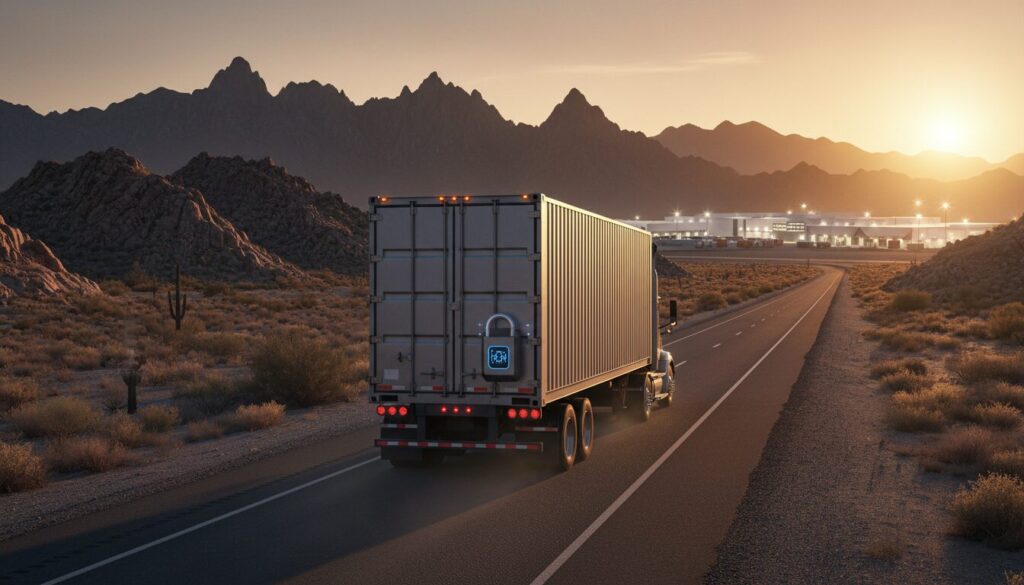
- Innovation: Leading shippers now utilize Control Tower services with active jamming detection. When a signal is lost, it triggers an immediate automated protocol (e.g., engine immobilization) rather than waiting for a dispatcher to notice hours later.
2. Route Intelligence and “No-Stop” Zones
The surge in theft at cachimbas (up 11.9%) dictates a change in routing logic.
- Innovation: Logistics planners use dynamic routing software that geofences safe zones. Drivers are prohibited from stopping at informal diners. Instead, routes are calculated to ensure fuel and rest stops occur only at certified, secure fortresses—often guarded private yards—completely bypassing the vulnerable roadside ecosystem.
3. Convoy and Escort Utilization
For high-value loads like auto parts (HENN’s sector), moving alone is a liability.
- Innovation: Digital freight matching platforms in Mexico now offer “virtual convoying,” grouping trucks from different shippers to travel together through high-risk corridors like the Puebla-Veracruz highway or the Western corridors, often accompanied by private security escorts.
Key Takeaways: Lessons for the Logistics Industry
For global executives eyeing Mexico for manufacturing or sourcing, the Overhaul report serves as a roadmap for risk mitigation.
1. Budget for Security as a Prime Cost
In the US or EU, security is often an insurance line item. In Mexico, it is an operational necessity.
- Action: When calculating ROI for nearshoring (as discussed in our guide on Mexico Nearshoring: 3 Ways to Evaluate Regional Labor ROI), include the cost of armed escorts, multilayered GPS technology, and high-deductible insurance premiums.
2. Diversify Ports of Entry
With the West region’s theft share rising by 7%, reliance on the Manzanillo-Guadalajara corridor is becoming riskier.
- Action: Analyze alternative entry points. While East Coast ports (Veracruz/Altamira) have their own risks, diversifying routes prevents a total supply chain shutdown if one cartel plaza becomes too volatile.
3. Vetting is Vital
Internal complicity remains a threat.
- Action: Implement rigorous carrier vetting. Ensure your logistics partners are C-TPAT certified (Customs-Trade Partnership Against Terrorism) and OEA certified (Mexico’s Authorized Economic Operator). These certifications require strict background checks for drivers, reducing the risk of “inside jobs.”
4. The “Food & Drink” Warning
While auto parts are high value, Food & Drink remains the top target (31%).
- Action: If your supply chain involves consumer staples, do not assume low value equals low risk. These goods are easily liquidated in Mexico’s vast informal markets (tianguis), making them “cash equivalents” for thieves.
Future Outlook: The Arms Race of Logistics
The future of logistics in the Borderlands will be defined by a technological arms race.
As manufacturers like HENN and Filter King shorten their supply chains, criminals are shortening their learning curves. We expect to see a rise in “Jamming 2.0”—where thieves not only block GPS signals but spoof them, sending false “all clear” signals to control towers.
Conversely, the logistics industry will increasingly adopt AI-driven prediction models. Instead of reacting to a theft, AI will analyze historical crime data, weather patterns, and traffic flow to predict a high probability of theft on a specific highway mile before the truck arrives, rerouting the driver in real-time.
The Verdict: Mexico remains an essential partner for the US and global economies. The benefits of proximity and labor quality outweigh the risks—but only for those who respect the volatility of the terrain. The era of “load and forget” is over; the era of the “tactical supply chain” has begun.