
The regulatory landscape for the US logistics industry has shifted dramatically. In a move that fundamentally alters the trajectory of fleet procurement and sustainability planning, the Trump administration has moved to repeal the Environmental Protection Agency’s (EPA) 2009 endangerment finding. This action effectively dismantles the legal foundation for federal greenhouse gas (GHG) regulations on heavy-duty trucks and scraps the contentious Phase 3 electric vehicle (EV) mandates.
Supported heavily by the American Trucking Associations (ATA), this reversal signals a reprieve from aggressive federal electrification timelines. However, for logistics executives, it introduces a new period of complexity characterized by regulatory fragmentation and strategic uncertainty.
The Reversal: Unpacking the Regulatory Shift
To understand the magnitude of this decision, one must look beyond the surface-level cancellation of EV mandates. The repeal of the 2009 endangerment finding is a structural change to the EPA’s authority.
Breaking Down the Policy Change
The 2009 finding declared that six greenhouse gases, including carbon dioxide, threatened public health and welfare, granting the EPA the authority to regulate them under the Clean Air Act. By repealing this finding, the administration is removing the prerequisite for federal climate regulations on mobile sources.
The immediate consequence is the rescission of the “Phase 3” greenhouse gas emissions standards for heavy-duty vehicles. These standards had set aggressive targets for the adoption of zero-emission vehicles (ZEVs) within the Class 8 sector, timelines that the ATA and many industry leaders argued were disconnected from technological and infrastructural reality.
Summary of Changes
| Feature | Previous Phase 3 Mandate | Post-Reversal Reality |
|---|---|---|
| Legal Basis | EPA obligated to regulate CO2 (2009 Finding). | EPA authority to regulate GHG challenged/removed. |
| Fleet Target | Aggressive ZEV adoption percentages by 2032. | Market-driven adoption; no federal compulsion. |
| OEM Impact | Penalties for failing to sell EV mix. | Focus returns to market demand and diesel efficiency. |
| Primary Driver | Climate Compliance. | Operational Cost & Grid Feasibility. |
Industry Impact: A Sigh of Relief and a New Headache
The reaction from the logistics sector has been largely supportive, yet cautious. The ATA has vocalized that the previous targets were “unachievable” given the current state of the electrical grid and charging infrastructure. However, the removal of federal guardrails creates a vacuum that may be filled by state-level chaos.
1. Impact on Carriers and Fleet Management
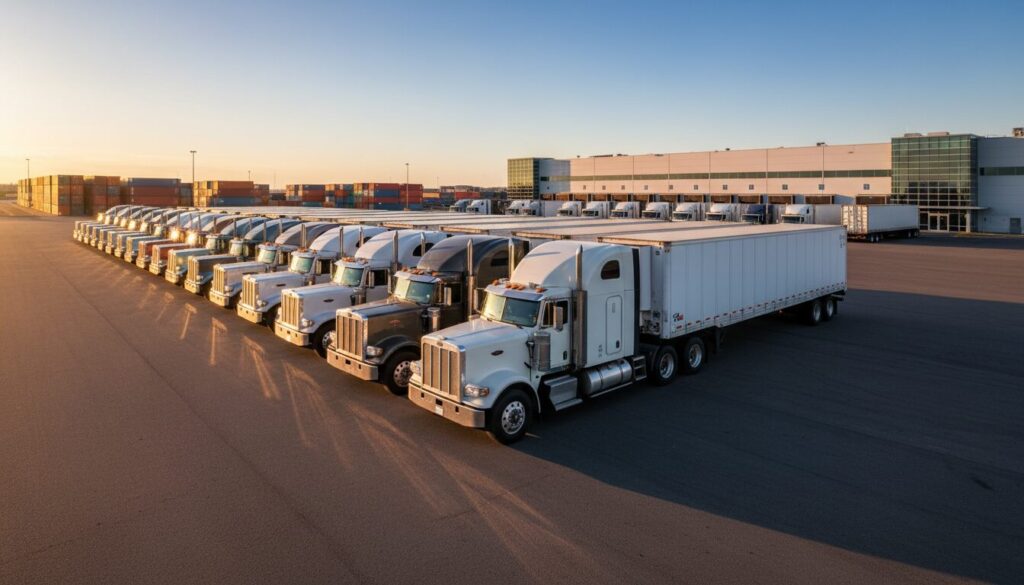
For carriers, the immediate pressure to overhaul fleet composition has evaporated. The “force-fed” transition to electric trucks—vehicles that currently cost two to three times more than diesel counterparts and suffer from range limitations—is no longer a federal requirement.
- CapEx Reallocation: Fleets can pause aggressive capital expenditures (CapEx) reserved for ZEV pilots and infrastructure build-outs. Funds can be redirected toward refreshing aging diesel fleets with newer, cleaner internal combustion engine (ICE) models (like Clean Diesel) that offer immediate fuel economy gains without range anxiety.
- Operational Stability: The threat of supply chain disruption due to charging downtime is mitigated. Carriers can continue to rely on the established diesel fueling network.
2. The Infrastructure Reality Check
The ATA’s primary argument for backing the reversal was the inadequacy of the national power grid. The heavy-duty trucking industry requires megawatt-level charging solutions that simply do not exist at scale.
- Grid Capacity: Utility companies have struggled to promise the capacity needed for truck depots. This reversal acknowledges that the energy sector cannot currently support a fully electrified heavy-duty fleet.
- Investment Chill: Without the federal mandate forcing the issue, private investment in public heavy-duty charging corridors may slow down, as the “guaranteed” customer base (mandated EV trucks) is no longer guaranteed.
3. The OEM Dilemma
Original Equipment Manufacturers (OEMs) are in a precarious position. Companies like Daimler Truck, Volvo, and PACCAR have invested billions in EV R&D based on the assumption of a regulatory push.
- Production Pivot: OEMs may scale back production targets for Class 8 EVs, treating them as niche products for specific short-haul applications rather than the new standard.
- Focus on Efficiency: R&D focus may shift back to aerodynamic improvements and software-defined vehicles (SDVs) to squeeze maximum efficiency out of diesel platforms.
The LogiShift View: The Era of Regulatory Balkanization
While the federal reversal provides short-term cost relief, it creates a dangerous long-term dynamic: the “Balkanization” of US logistics regulations.
The California “Firewall”
The repeal of federal standards sets up a direct collision with California. The California Air Resources Board (CARB) has its own waivers and aggressive Advanced Clean Fleets (ACF) rules. Historically, many states (Section 177 states) follow California’s lead rather than the EPA’s.
If the EPA steps back, California will likely double down. We are moving toward a dual-market scenario:
- The “Federal” Market: dominated by diesel, lower operating costs, and traditional logistics models.
- The “California” Market: strictly regulated, requiring ZEVs, with significantly higher barriers to entry and operating costs.
Carriers operating nationally will face a logistical nightmare: managing mixed fleets where certain assets cannot legally cross state lines into California or its allied states.
Technology Beyond the Powertrain
With the singular focus on “tailpipe emissions” removed, the industry’s path to modernization will likely shift toward digital transformation. Efficiency will still be driven by cost reduction, but the method will change from forced electrification to voluntary optimization.
This aligns with broader trends where software becomes the primary driver of ROI. As discussed in ACT Expo 2026 Trend: SDVs & ROI Define the Digital Frontier, the future of fleet efficiency lies in Software-Defined Vehicles (SDVs) and AI. Without the capital burden of forced EV purchases, fleets may accelerate their investment in these digital technologies to lower fuel consumption and maintenance costs on their existing assets.
Strategic Takeaways for Executives
The repeal of the endangerment finding is not a signal to stop innovating; it is a signal to change the strategy from compliance-first to ROI-first.
- Don’t Abandon EVs, Re-scope Them: Electric trucks still make sense for last-mile and drayage operations where range is predictable and return-to-base charging is feasible. Keep these pilots running where the Total Cost of Ownership (TCO) works without subsidies.
- Prepare for Legal Warfare: This repeal will face immediate and fierce challenges in federal courts from environmental groups and blue states. The regulatory environment will remain volatile for at least 24 months. Do not make 10-year fleet commitments based solely on today’s news.
- Audit Your Lanes: Analyze your exposure to California and Section 177 states. If a significant portion of your revenue comes from these regions, you cannot ignore electrification, regardless of what the EPA does.
- Double Down on Digital: Use the capital saved from deferred EV mandates to invest in fleet management software, AI routing, and predictive maintenance. These offer immediate carbon reduction and cost savings that are immune to political shifts.
Conclusion
The ATA’s backing of the EPA emissions reversal reflects a pragmatic recognition of supply chain fragility. While environmental goals remain critical, the industry has successfully argued that the pace of the previous mandates threatened the economic viability of US logistics. The focus now shifts to a market-led approach, where the winners will be those who balance diesel reliability with digital efficiency, navigating an increasingly fragmented regulatory map.